Namibia: Land of Silence and Soul
Where Wild Still Reigns
Immediate sense of vastness upon arrival
Touching down in Namibia feels like landing on another planet - one where space dominates and silence has weight. The horizon stretches without interruption, and the land opens up in every direction. There's a rawness in the air, a sense that you're somewhere ancient and infinite.
Driving even a short distance from the airport, you're quickly surrounded by open plains, distant mountains, and skies that seem impossibly wide. Towns are few and far between, and roads often run straight for hours without a curve or crossing. The emptiness isn't unsettling - it's liberating.
Whether you're in the south near the desert or heading north toward bushland, the message is the same: there's room here to breathe, to move, to feel small in the best possible way. Namibia offers the luxury of space, and it gives it to you the moment you arrive.
Untouched landscapes and open skies
Namibia's scenery feels like it has been left exactly as nature intended. There are no fences slicing through the horizon, no cities sprawling across the land - only wide, wild territory. The landscapes unfold in layers of sand, stone, and savanna, shaped by time rather than people.
Above it all, the sky is endless. During the day, it's a brilliant canvas of blue that dwarfs everything below. At night, it becomes a dome of stars so dense and bright it feels surreal, like a glimpse into a version of Earth long before modern light and noise.
This kind of openness resets your senses. You begin to notice the wind moving over rock, the patterns of clouds, the silence between birdcalls. It's not just scenery - it's space that invites you to exist within it, rather than in front of it.
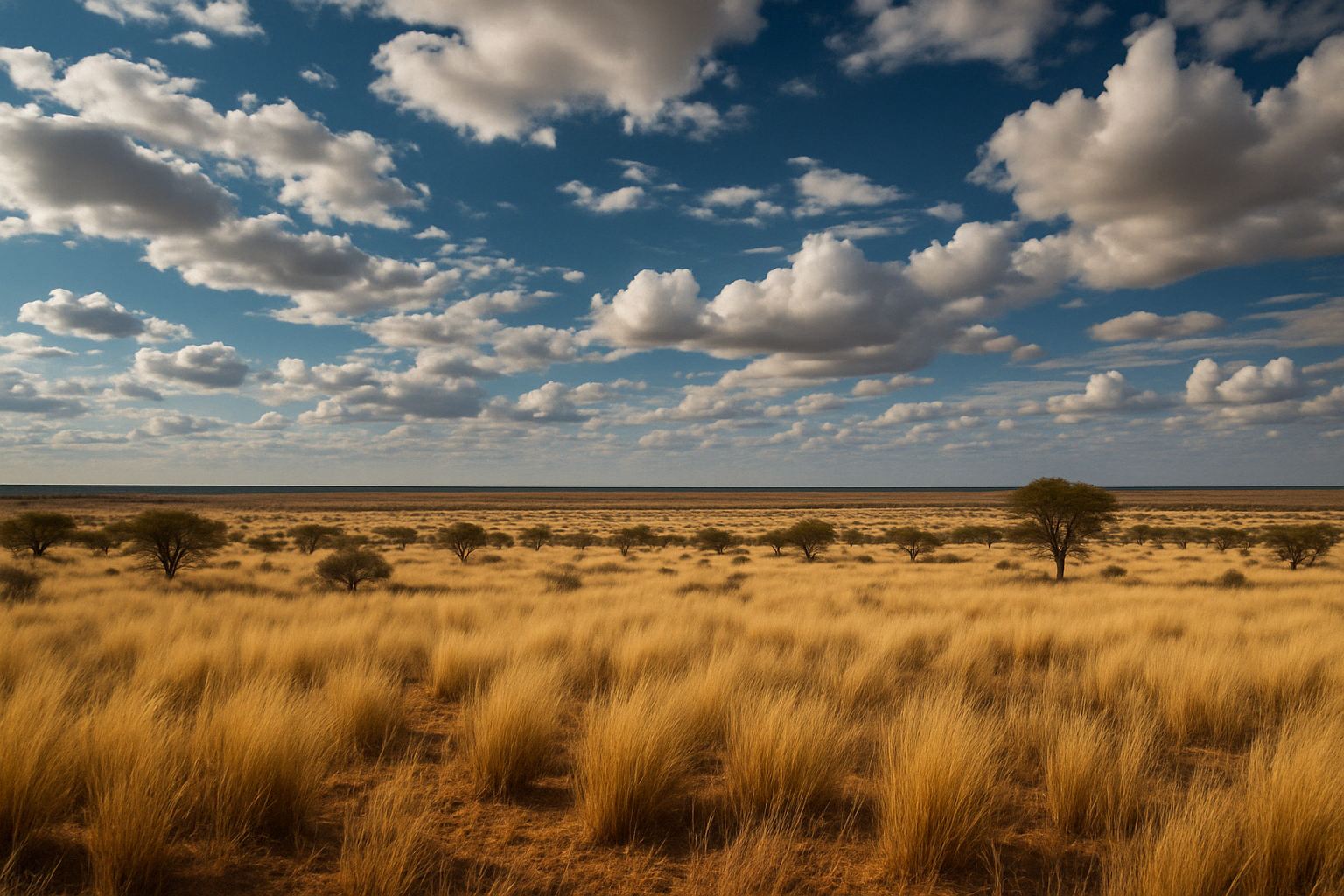
Nature feels present and uncontained
In Namibia, nature is not something you visit - it's something that envelops you. Wildlife moves freely, unbothered by roads or boundaries, and the terrain follows no manmade pattern. Everything feels alive and in motion, even when the land itself stands still.
You might see a herd of springbok vanish into the mirage of heat or hear jackals calling as dusk falls over the desert. The rhythm of life here isn't scheduled or staged; it happens on its own terms. There's a quiet unpredictability to it, like the land is watching you back.
This raw presence humbles and grounds you. Namibia doesn't offer curated nature - it offers the real thing, unfiltered and immense. The wild isn't around the corner; it's underfoot, in the air, and stretched across the horizon.
A Continent of Creatures
Elephants, rhinos, lions, cheetahs in their natural habitats
Namibia is one of the rare places where the great animals of Africa still roam freely across vast, untamed terrain. Elephants move through dry riverbeds in the northwest, adapted to survive in arid conditions that would challenge any species. Black rhinos patrol remote hillsides, elusive yet still present, thanks to dedicated conservation efforts.
Lions can be found tracking prey across Etosha's white pans or lounging in the golden grasses of the savanna. Cheetahs, sleek and alert, hunt across open plains with breathtaking speed and grace. These animals aren't part of a zoo or a fenced-in preserve - they live as they always have, in a balance with the land.
Seeing them in their natural habitats is unlike any wildlife experience elsewhere. There's no guarantee, no performance, no feeding times - just the possibility of witnessing something real and extraordinary at any moment. That sense of authenticity is what makes Namibia unforgettable.
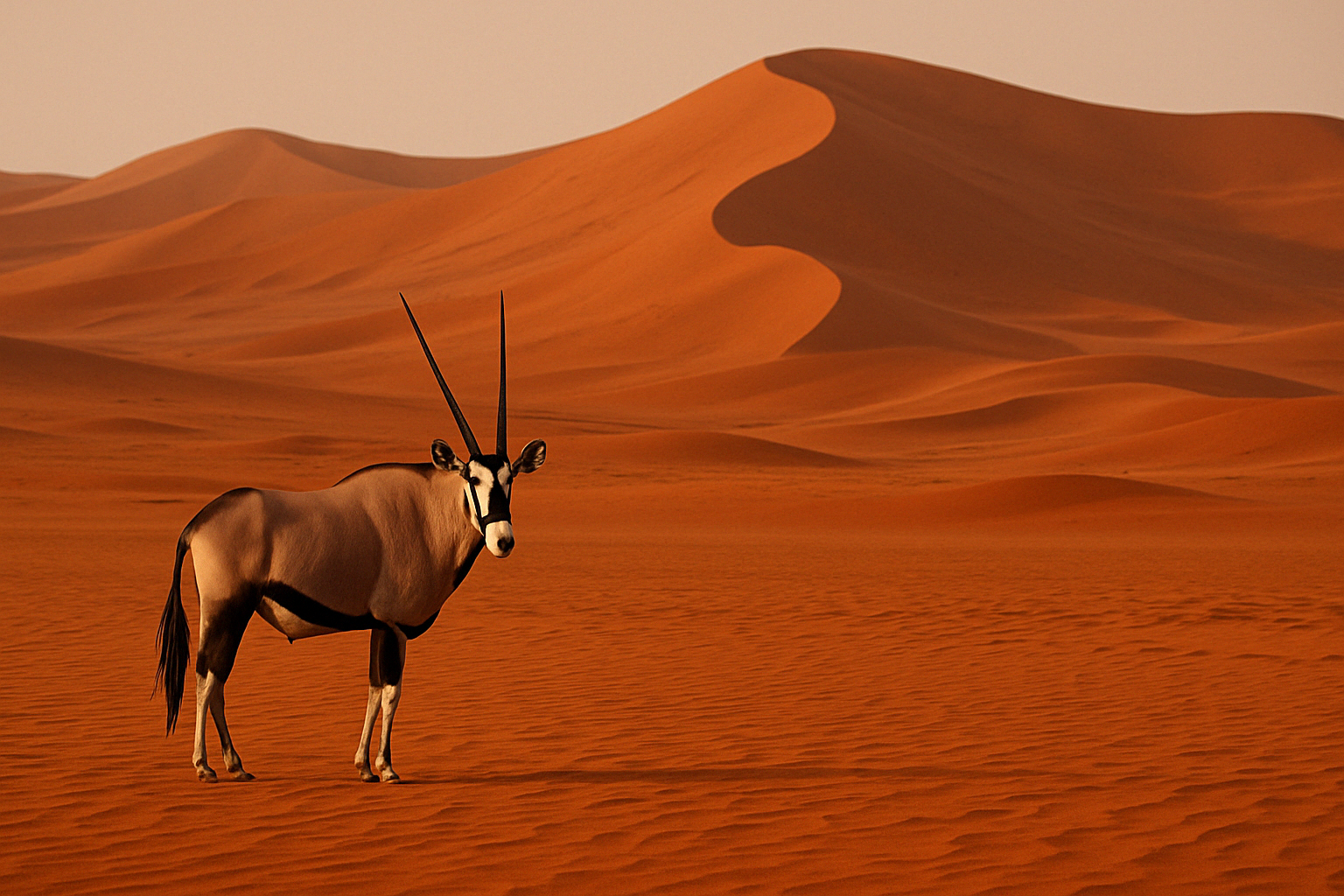
Desert-adapted species (oryx, springbok, desert lions)
Namibia's harsh deserts are home to some of the most resilient and striking creatures on Earth. The oryx, with its long, elegant horns and pale coloring, seems sculpted for the dunes, able to survive where water is nearly absent. Springbok move in graceful bursts across the sand, drawing on instincts honed over millennia.
Then there are the desert lions - elusive, powerful, and perfectly adapted to the arid northwest. These big cats hunt in landscapes where prey is sparse and heat is relentless, relying on teamwork and patience to survive. Each of these animals tells a story of endurance and natural adaptation.
Watching them move through Namibia's deserts is like witnessing a living miracle. These aren't animals simply surviving; they are thriving in an ecosystem that looks empty at first glance, yet teems with life when you know where to look.
Birdlife, reptiles, and rare animals found nowhere else
Beyond the big mammals, Namibia offers an astonishing array of lesser-seen wildlife that rewards those who look closely. Over 600 bird species can be found here, from flamingos painting the salt pans pink to raptors soaring above the desert thermals. In the Caprivi Strip, lush wetlands host kingfishers, herons, and African fish eagles.
Reptiles, too, thrive in the heat - including sidewinding adders, brightly colored agamas, and geckos that vanish into the sand with a flick. Some of these species are endemic, meaning they exist nowhere else on Earth, their lives finely tuned to Namibia's unique ecosystems.
Even in the driest regions, life is everywhere. From the fog beetles of the Skeleton Coast to the secretive aardwolf of the savanna, Namibia constantly surprises. It's a place where the rare isn't rare - it's just wild, waiting to be noticed.
Conservation efforts and protected reserves
Namibia is a global leader in conservation, with more than 40% of its land under some form of environmental protection. From vast national parks to community-managed conservancies, the country has built a model where nature and people coexist - not in conflict, but in cooperation. Wildlife corridors span across regions, allowing animals to roam freely without borders.
Etosha National Park is one of Africa's most famous reserves, offering sanctuary to elephants, rhinos, lions, and countless other species. But beyond Etosha, places like the Skeleton Coast Park, Bwabwata, and private reserves in Damaraland extend protection across ecosystems - from wetlands to dunes.
What sets Namibia apart is its community-based approach. Local people are involved in managing and benefiting from wildlife tourism, giving conservation a lasting foundation. In Namibia, preserving nature isn't just a policy - it's a way of life.
Sculpted by Earth and Time
Namib Desert: oldest desert on Earth
The Namib Desert is not only one of the most visually stunning deserts in the world - it's also the oldest, estimated to have existed for over 55 million years. Its age has given rise to a landscape shaped by time, with towering dunes, gravel plains, and shifting colors that change with the light. Despite its ancient dryness, life has adapted in surprising ways.
From the iconic red dunes of Sossusvlei to the barren beauty of the gravel plains near Swakopmund, the Namib is a study in contrast and resilience. Wind has sculpted its features into endless curves, while early morning fog from the Atlantic Ocean sustains beetles, lichen, and other hidden life.
Standing in the Namib, you feel like you're in a living museum of Earth's geologic history. It's not just a desert - it's a timeline, stretching back to the very beginnings of life on land.
Sossusvlei's towering red dunes
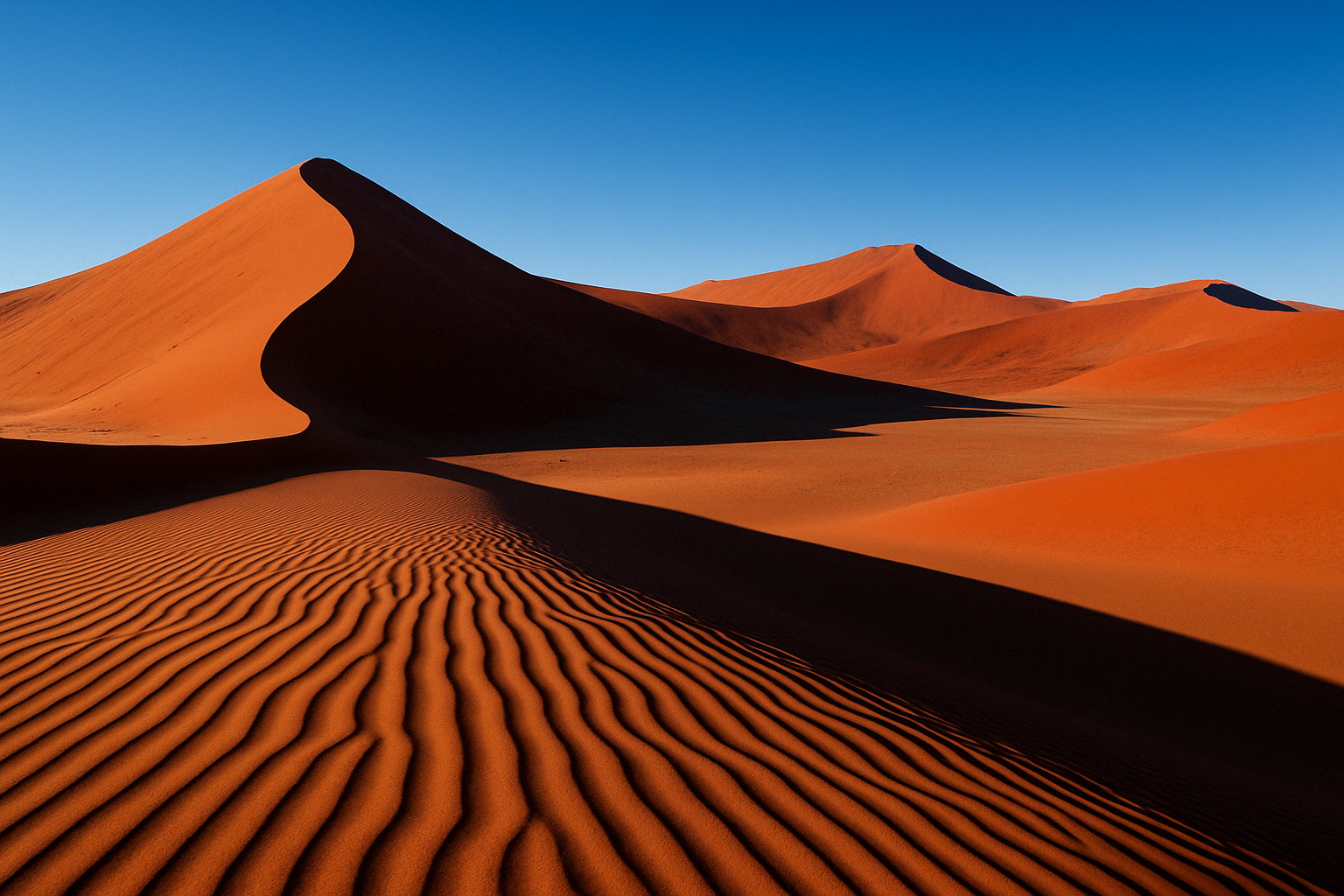
Sossusvlei is the crown jewel of the Namib Desert, home to some of the tallest sand dunes on the planet. These dunes, colored in deep shades of red and orange, rise up to 300 meters and shift subtly with the wind. Their sharp ridgelines and smooth slopes create a surreal landscape that feels both otherworldly and ancient.
Climbing one of these giants, like the famous Dune 45 or Big Daddy, offers a perspective unlike any other - a sea of sand stretching to every horizon. The silence is absolute, broken only by the wind sweeping across the crest, reshaping the dune grain by grain.
Sossusvlei's beauty changes with the sun, from soft pink dawns to blazing midday light and golden sunsets. Each moment offers a new palette, making the dunes not just a destination, but a living canvas of light and form.
Etosha Pan: shimmering salt flat alive with wildlife
Etosha Pan is a vast, shimmering salt flat that dominates northern Namibia's Etosha National Park. In the dry season, it appears as a white, cracked expanse stretching endlessly under the sun, creating an almost alien landscape. But this apparent emptiness hides a seasonal secret - a transformation driven by rain.
When the rains arrive, shallow water covers parts of the pan, attracting thousands of flamingos, pelicans, and other waterbirds. Around its edges, natural waterholes draw elephants, giraffes, zebras, lions, and endangered black rhinos, creating some of the most dynamic wildlife viewing in Africa.
Etosha is a place where contrast defines beauty - where harshness coexists with abundance. The starkness of the salt pan only makes the life around it more vivid, more precious, and more unforgettable.
Skeleton Coast: shipwrecks, fog, and stark beauty
The Skeleton Coast is one of the most hauntingly beautiful places on Earth - a stretch of Namibia's Atlantic shoreline where sand meets sea under a shroud of mist. Its name comes from the many shipwrecks that litter the coast, rusting remains trapped in shifting dunes and relentless surf. But the real story here is the stark, magnetic pull of its wilderness.
Cold Benguela currents meet the desert heat to create a near-constant fog, giving the coastline a surreal, dreamlike quality. Behind the beach, wind-carved dunes rise into rolling waves of sand, broken by dry riverbeds and rocky outcrops. Despite its name, the Skeleton Coast teems with unexpected life - desert-adapted elephants, brown hyenas, seals, and birds thrive in this unlikely ecosystem.
It's a place that defies expectations. Harsh yet alive, desolate yet captivating, the Skeleton Coast embodies Namibia's power to transform emptiness into wonder.
Epupa Falls, Fish River Canyon, Waterberg Plateau
Namibia's dramatic beauty isn't limited to deserts and dunes - it also roars, plunges, and rises. At the northern edge of the country, Epupa Falls spreads across the Kunene River in a series of cascading waterfalls framed by palm trees and red rocks. The sound of rushing water in such an arid region feels both surprising and hypnotic.
In the far south, Fish River Canyon slices through the earth in one of the largest canyons on the planet. Rugged cliffs drop sharply to the river below, revealing layers of geological history carved by time. Hiking its rim or descending into the depths is a humbling experience, surrounded by stillness and raw, untamed beauty.
Closer to central Namibia, the Waterberg Plateau rises abruptly from the plains like a natural fortress. Its red cliffs and green top provide a haven for endangered species, including white rhinos and sable antelope. The plateau is both a refuge and a lookout - a place where nature regroups, and visitors reflect.
Together, these landmarks highlight Namibia's astonishing range of terrains. Each one is a destination in its own right, offering a different mood, ecosystem, and sense of awe.
The Freedom to Roam
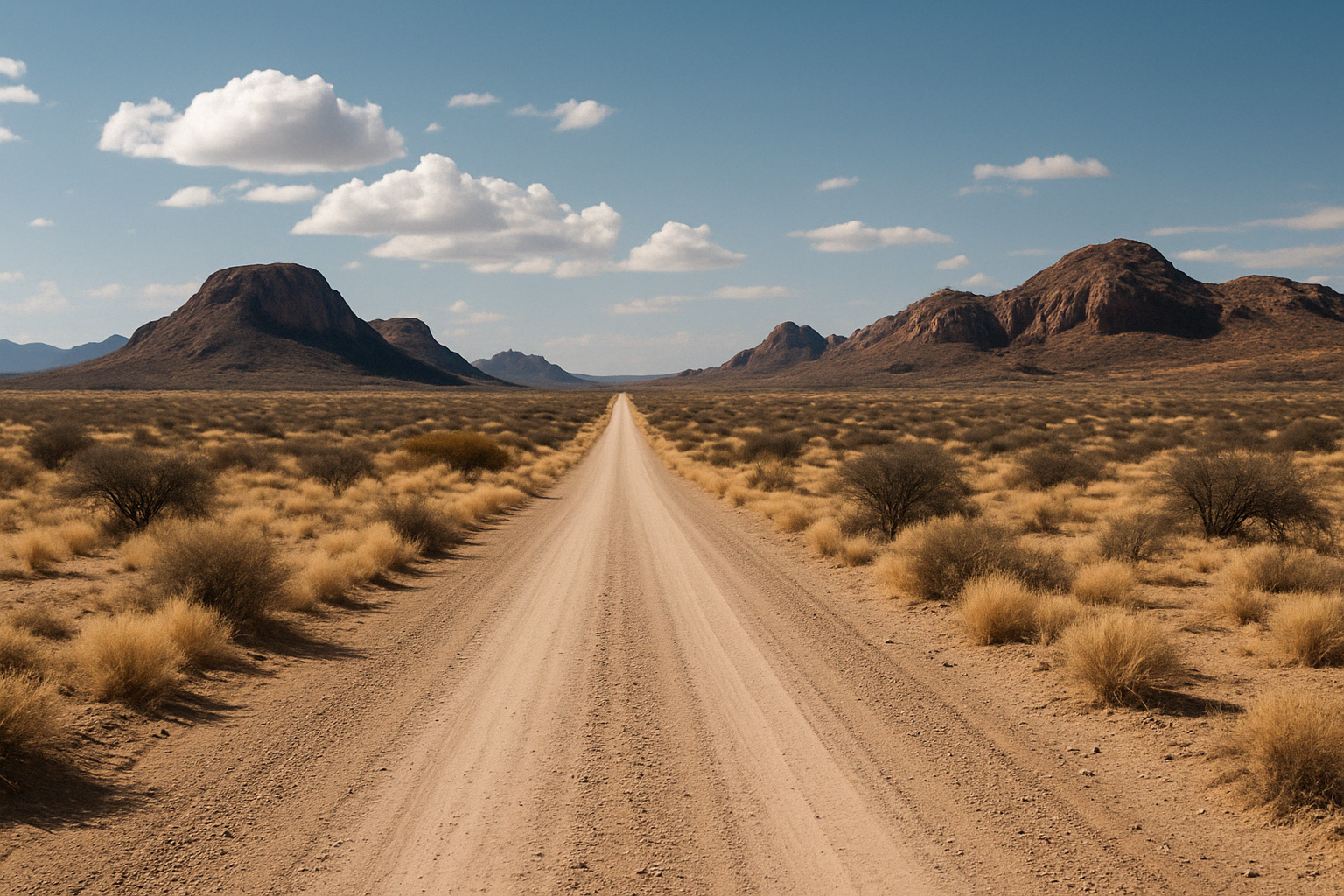
Self-drive safaris and vast, empty roads
Namibia is one of the few countries in Africa where you can safely explore the wilderness on your own. Self-drive safaris are not only possible - they're encouraged. The well-maintained gravel roads, clear signage, and low traffic make it easy to set off across the country at your own pace, with nothing but the horizon ahead.
These roads lead through some of the most stunning and remote landscapes on Earth - from the red dunes of the south to the wildlife-rich savannas of the north. Hours can pass without seeing another vehicle, giving you a profound sense of solitude and freedom. It's a kind of travel that turns the journey itself into the reward.
You decide when to stop, when to explore, when to wait and watch. There are no crowds, no rush, no forced schedules - just you, the open road, and the land unfolding around you. In Namibia, even the drive is part of the adventure.
Wild camping and remote lodges
For those seeking a deeper connection with nature, Namibia offers some of the most remote and unforgettable overnight experiences in the world. Wild camping is legal in many areas, and designated campsites often provide the perfect balance of rugged isolation and basic comfort. Falling asleep under the stars, with nothing but wind and wildlife around you, is a luxury few places can match.
If you prefer a roof over your head, remote lodges blend into the landscape with minimal impact, offering privacy, panoramic views, and absolute quiet. Many are solar-powered and built with natural materials, sitting miles from the nearest town or road. These lodges often operate with a conservation mindset, supporting local communities and protecting surrounding ecosystems.
Whether you pitch a tent in the dunes or sleep in a cliffside chalet, staying far from cities is part of the magic. Namibia doesn't just invite you to visit the wild - it lets you live in it, if only for a night or two.
Sense of solitude and independence
Namibia offers a rare gift in today's crowded world: the feeling of being completely alone in a vast, living landscape. With few people and endless space, you can travel for hours without crossing another vehicle, town, or sign of civilization. That solitude isn't lonely - it's empowering.
There's a quiet confidence that grows when you're navigating empty roads, choosing your path, and experiencing nature on your own terms. You set the schedule, choose the route, and respond to the landscape directly. The silence isn't empty; it sharpens your awareness, making every sighting, sound, and sunrise more meaningful.
Namibia is not curated or controlled. It trusts you to explore wisely and rewards you with a sense of freedom that's increasingly hard to find. In this country, independence isn't just possible - it's natural.
Disconnecting from modern life
Namibia invites you to step away from the constant noise of the digital world. In many remote areas, there's no cell signal, no Wi-Fi, and no push notifications - just the sounds of wind, wildlife, and your own thoughts. What might feel unsettling at first quickly becomes a relief.
Without screens or distractions, your senses begin to recalibrate. You start to notice the slow shift of sunlight, the rhythm of animals, and the quiet between distant sounds. Time stretches in a different way here - unhurried and uninterrupted.
This kind of disconnection isn't a loss - it's a return. In Namibia, you're reminded how little you need to feel fully alive: open space, clean air, and the freedom to simply be present.
Ancient Voices, Living Lands
Himba and San people: traditions rooted in nature
The Himba and San are two of Namibia's oldest cultural groups, and their lives remain closely tied to the rhythms of the natural world. The Himba, known for their ochre-covered skin and intricate hairstyles, live semi-nomadic lives in the northwestern regions, herding cattle and relying on ancestral knowledge of the land. Their homes, made from earth and wood, blend into the environment rather than standing apart from it.
The San, also known as Bushmen, are among the world's oldest continuous cultures. Masters of tracking and survival, they move through the land with precision and respect, reading signs in the sand that others would miss. Their knowledge of plants, animals, and seasonal patterns reflects thousands of years of close observation and adaptation.
These communities don't just live in nature - they live with it. Their traditions, stories, and ways of life are shaped by the environment around them, offering a deep, quiet wisdom that modern life often overlooks. In Namibia, culture and nature are inseparable.
Rock art and stories from millennia ago
Scattered across Namibia's rocky outcrops and desert walls are ancient messages etched in stone - rock art that speaks across time. Some of the most famous examples can be found at Twyfelfontein, a UNESCO World Heritage Site, where over 2,500 petroglyphs created by San ancestors reveal a deep connection between people, animals, and the landscape.
These carvings and paintings are more than art - they are records of movement, myth, and memory. Animals like giraffes, lions, and elephants appear alongside abstract symbols and hunting scenes, offering insight into how early people related to their world. Many of these images have spiritual meaning, reflecting beliefs about nature, survival, and the unseen.
Standing before them, it's easy to feel the weight of history and the continuity of human presence in the land. These stories weren't written down, but they endure - silent, powerful, and still echoing in Namibia's stone.
Living close to the land, minimal interference
In many parts of Namibia, life still moves with the seasons rather than against them. Communities live in balance with their environment, drawing only what they need and giving space for nature to thrive. Homes are built from local materials, herds are moved with the rains, and daily routines are shaped by the land's rhythms.
This way of life creates a kind of harmony rarely seen in modern settings. There's no rush, no overdevelopment, and little noise. Instead, there's awareness - of weather, animal movement, and the subtle changes in terrain that signal what's coming next.
Namibia shows that it's possible to live well without dominating the land. The minimal interference isn't a lack - it's a strength. It preserves the wild, respects the balance, and keeps the connection between people and nature intact.
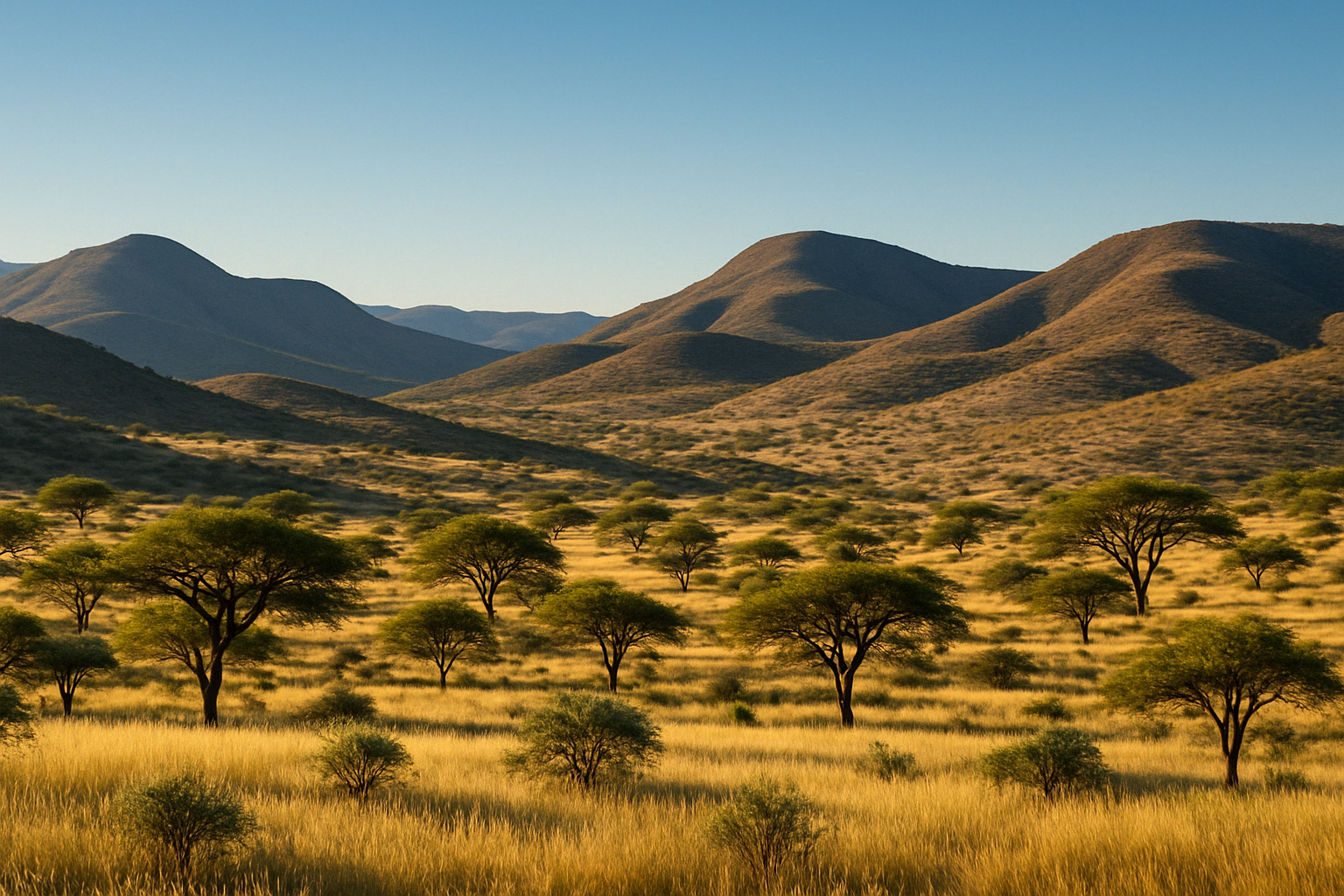
Untamed. Unmatched. Namibia.
The rare gift of real freedom
Namibia offers something increasingly scarce in the modern world: the feeling of true, unstructured freedom. Here, you're not boxed in by crowds, noise, or over-regulated experiences. The land is open, the road is yours, and your time belongs entirely to you.
You can stop anywhere and hear only the wind. You can drive for hours without seeing another person, pitch a tent beneath the stars, or watch wildlife on your own terms. There are few fences, few limits, and even fewer interruptions.
This isn't a curated escape - it's the real thing. In Namibia, freedom isn't sold as a luxury. It simply exists, waiting for you to claim it.
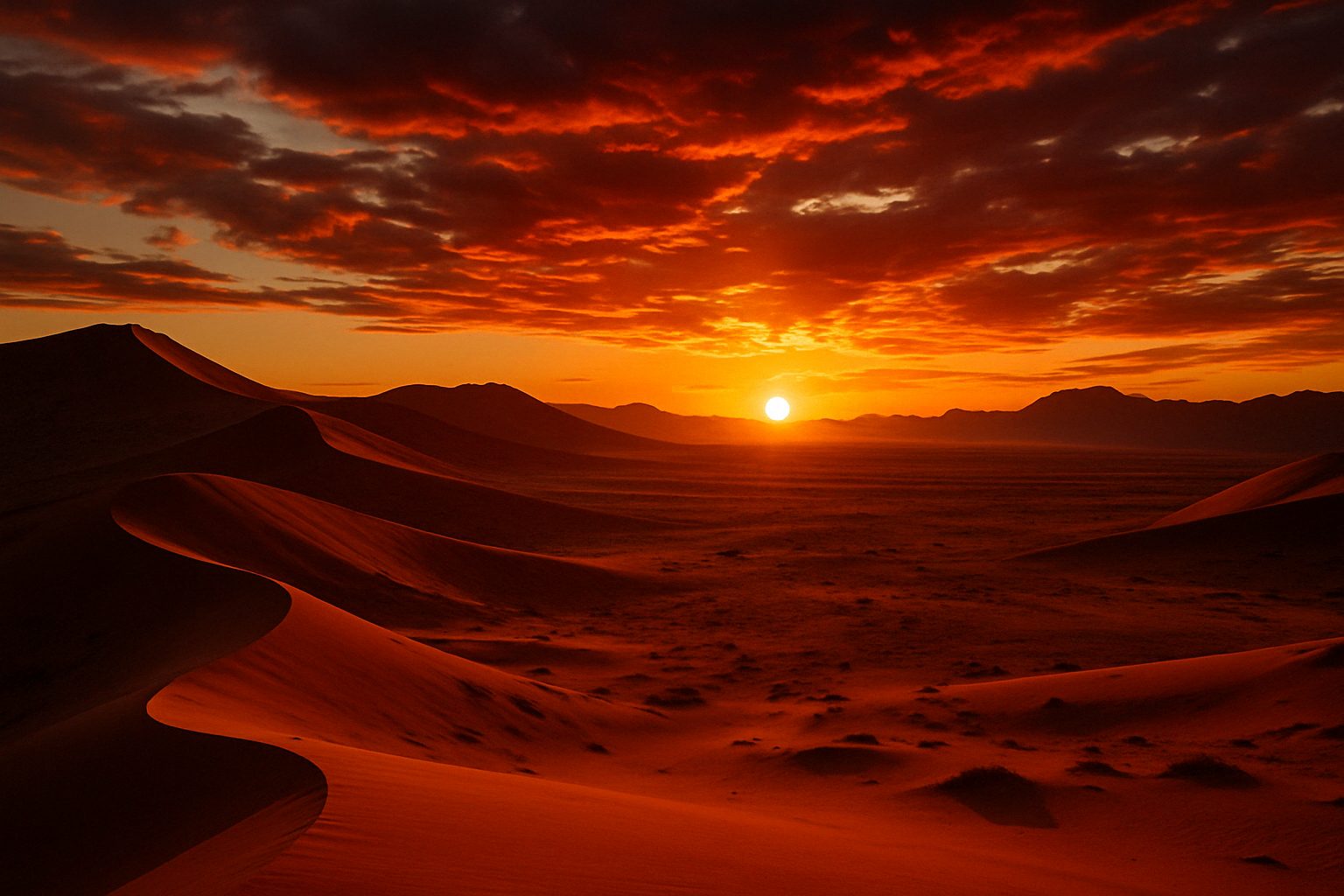
A land that humbles and restores
Namibia has a way of resetting your sense of scale - both physical and emotional. Its vast deserts, endless skies, and roaming wildlife remind you that you're part of something much larger and older than yourself. The silence isn't empty; it's full of perspective.
Whether you're standing on the edge of the Fish River Canyon, watching the sun rise over Sossusvlei, or sitting quietly beside a remote waterhole, the effect is the same. The land asks nothing of you, yet gives you back clarity, stillness, and a kind of awe that lingers long after you leave.
This is more than a destination. Namibia humbles you with its raw power and restores you with its simplicity. It clears out the noise and leaves you with something rare: peace that feels earned, not borrowed.
Final call to experience it, not just read about it
No description, no photo, no story can truly capture the feeling of standing in Namibia's vast wilderness. It's something you need to feel - the dry heat on your skin, the stillness in your chest, the sudden presence of wildlife crossing your path. It's not a place you visit; it's a place you absorb.
Namibia isn't for the rushed or the distracted. It's for those willing to slow down, look closer, and let the land speak for itself. What you find there isn't just scenery - it's space, silence, freedom, and connection.
So don't just read about it. Go. Drive the roads, climb the dunes, listen to the wild, and let Namibia leave its mark on you - the kind that doesn't fade.